
Product identity
Module model, capacity, speed, board revision, DRAM part number, and lot information if available.
Tynsen provides memory module testing and repair. We work from the module information and observed behavior to discuss the checks, corrective work, and acceptance criteria.
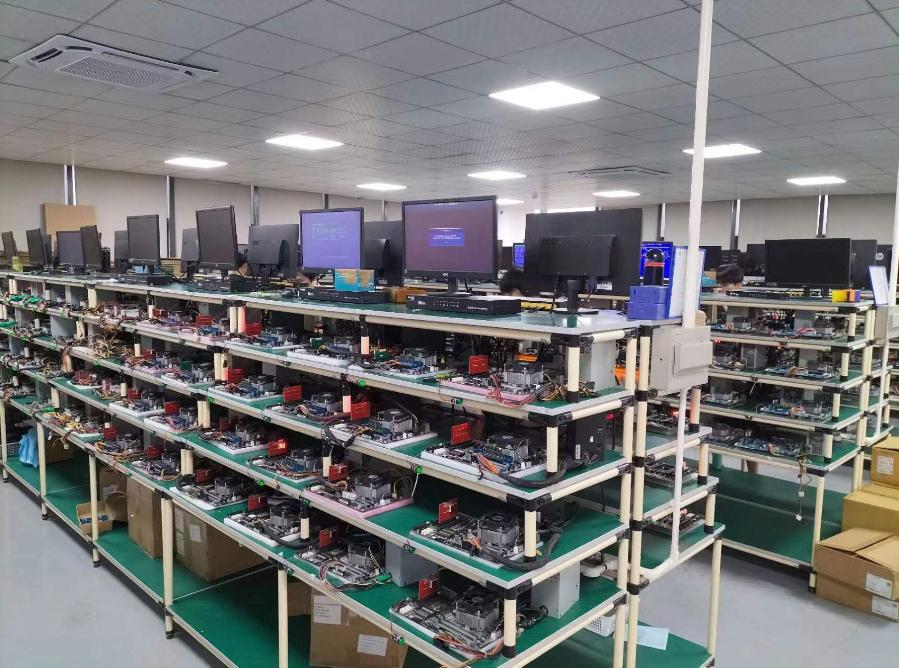 Tynsen photo
The module model, specification, reported issue, and previous results help shape a relevant test scope. The applicable checks and record format are agreed for the project.
A problem description is most helpful when it identifies the affected product and the conditions under which the issue appears. Tynsen can then discuss the appropriate inspection or test route.
Module model, capacity, speed, board revision, DRAM part number, and lot information if available.
Failure mode, frequency, host or platform information, and whether the behavior is repeatable.
Photos, previous test results, failure logs, and handling history can narrow the first discussion.
Customer service, engineering, and quality functions review feedback, analyze the cause, agree on actions, and follow up on the outcome. If the concern points to an individual DRAM IC, chip testing can also be discussed.
Review the issue
Analyze the cause
Agree on actions
Follow up on the result
For a given lot or module, the agreed scope may involve checking, sorting, repair, or further investigation. The action, acceptance basis, and form of the result are established before execution; an issue is not treated as resolved solely because a repair step was performed.
We welcome a conversation about your memory project.