
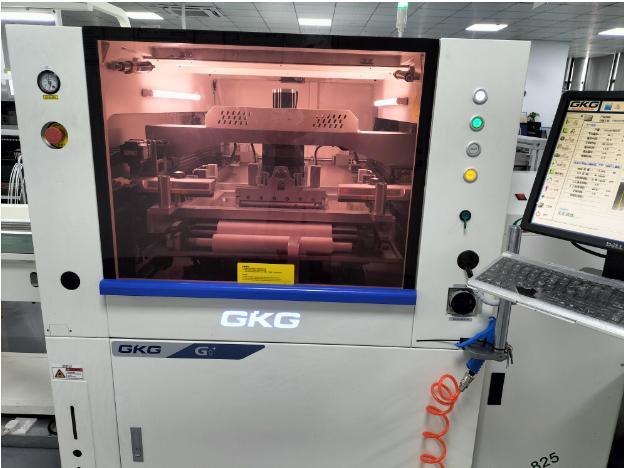
 01 / PRINTING
GKG G9 solder paste printer
Printing lays down solder paste where components will be joined to the PCB. Stencil, board design, materials, and deposit requirements are reviewed for the module being built.
Our memory module process connects solder paste printing, component placement, reflow soldering, AOI, and board separation. Explore the equipment used at each stage.
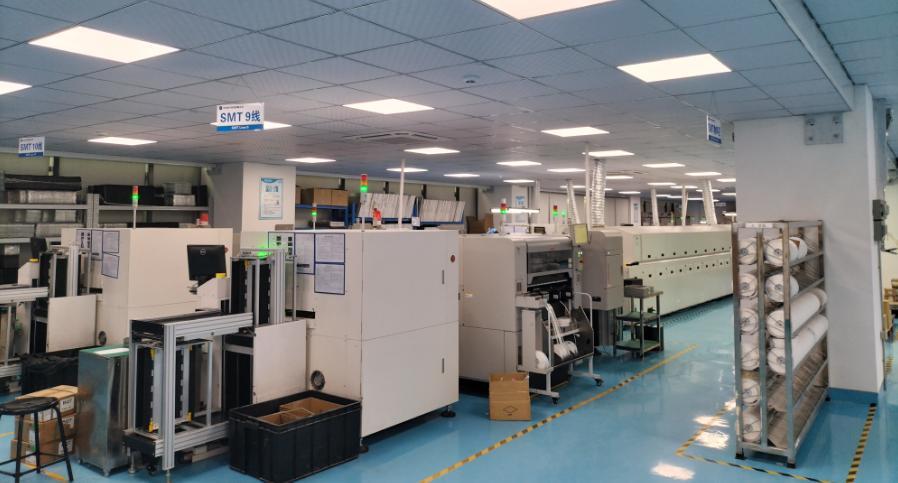 Tynsen photo
Printing, placement, soldering, inspection, and board separation work together in module assembly. The applicable equipment and checks depend on the product specification.
Solder paste printing
Component placement
Reflow soldering
Automated optical inspection
Board separation
The machines below support SMT and memory module manufacturing. DRAM IC reballing, grinding, conversion, and chip testing are separate services with their own process requirements.
01 / PRINTINGPrinting lays down solder paste where components will be joined to the PCB. Stencil, board design, materials, and deposit requirements are reviewed for the module being built.
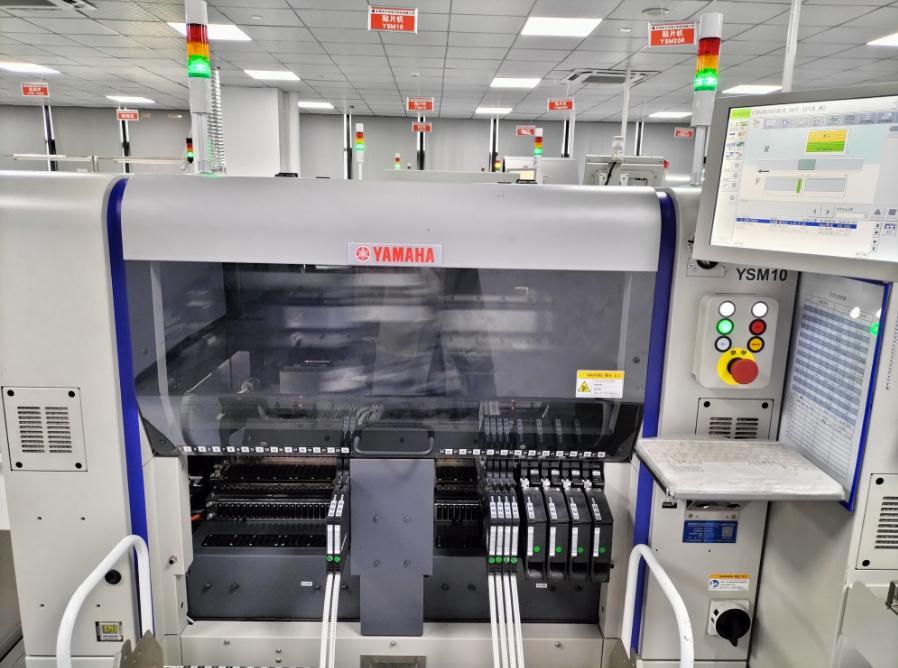 02 / PLACEMENT
Our YSM10 places DRAM packages and other components on prepared PCBs according to the approved assembly data.
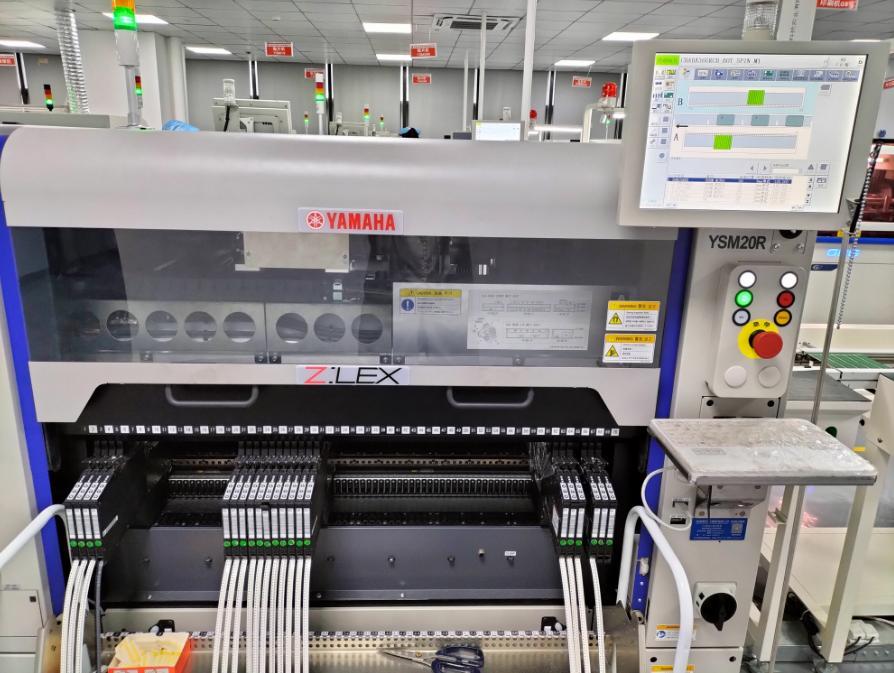 02 / PLACEMENT
Our YSM20R supports the placement stage between solder paste printing and reflow. Machine setup follows the approved module requirements.
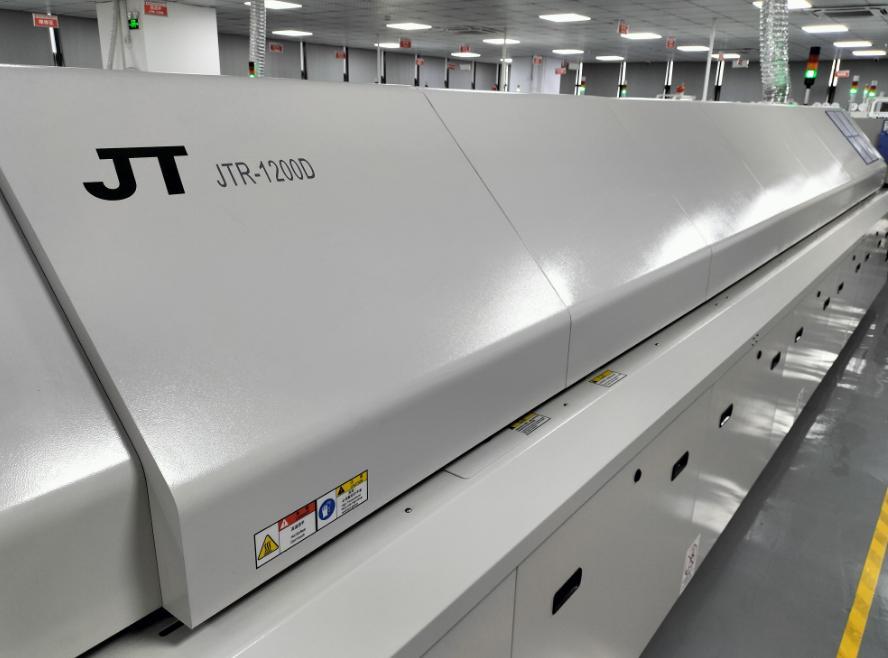 03 / SOLDERING
The populated board passes through a controlled heating process to form solder joints. A suitable profile depends on the PCB, components, solder paste, and product requirements.
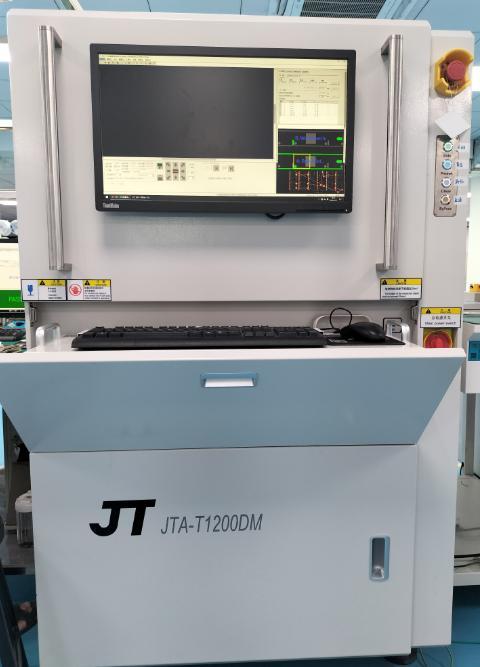 04 / INSPECTION
AOI supports visual review of assembled boards against defined features. Inspection points and acceptance criteria are established for the product; optical inspection is distinct from functional testing.
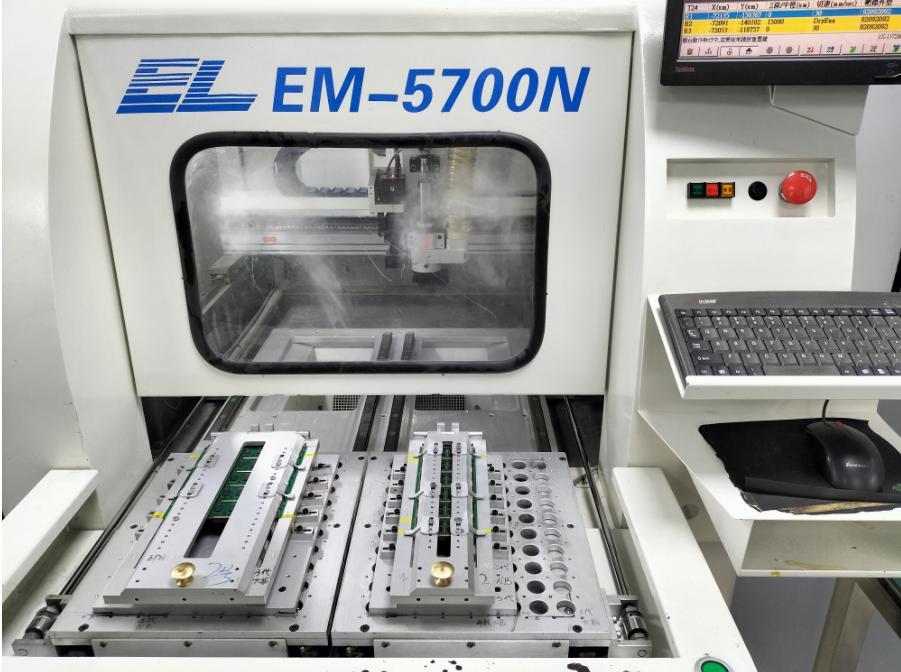 05 / SEPARATION
This machine separates assembled memory boards from the production panel. Panel layout, board dimensions, and handling requirements influence how separation is planned.
The right build depends on the board design, materials, machine setup, process conditions, and inspection requirements. The DDR4 module shown below is one example; each new project is defined by its own specifications.
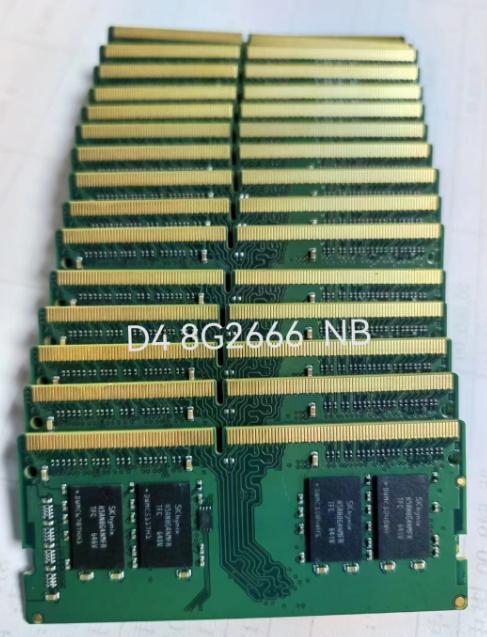
Engineering, production, and quality functions work from the approved product and process requirements. Testing and acceptance arrangements are agreed for the specific project.
We confirm the applicable equipment, process route, inspection coverage, and delivery requirements for each module project. Machine specifications do not represent a guaranteed production capacity or yield.
We welcome a conversation about your memory project.